
Comprehensive Cancer Centers shares ways to have good breakfasts without cured meat, which are believed to be connected to elevated risks for certain cancers.
For the team at Comprehensive Cancer Centers, and the general public, the classic image of a satisfying breakfast has centered around familiar meat staples such as bacon, sausage, and cured ham. These salty, savory meats have long been considered the foundation of the traditional morning plate. Yet as nutritional science continues to evolve, the routine consumption of processed and cured meat is being examined much more critically.
Health organizations such as the World Health Organization have classified processed meat as Group 1 carcinogens, connecting frequent consumption to a greater risk of colorectal cancer, cardiovascular disease, chronic inflammation, and other long-term health concerns. Most cured meat is heavily processed with sodium, nitrates, preservatives, and additives designed to prolong shelf life, often at the expense of overall heart and vascular health.
Fortunately, eliminating processed breakfast meat does not mean settling for bland or uninspiring meals. A healthy breakfast can still be deeply flavorful, comforting, filling, and energizing. In fact, the modern culinary landscape offers an enormous variety of nutrient-rich alternatives built around whole foods, clean proteins, healthy fats, fiber, and complex carbohydrates that provide lasting energy throughout the day.
One of the most exciting alternatives to the traditional bacon-and-eggs routine is Shakshuka, a dish that originated in North Africa and became widely popular across the Middle East. Shakshuka combines gently poached eggs with a rich tomato sauce simmered alongside onions, garlic, olive oil, and bell peppers, all seasoned generously with spices like cumin, paprika, and cayenne pepper. The result is a breakfast that feels hearty and deeply savory without relying on processed meat for flavor.
This dish works especially well because it replaces cured meat with antioxidant-rich vegetables. Cooked tomatoes are an excellent source of lycopene, a powerful antioxidant associated with heart health and cellular protection, while the eggs provide complete protein and choline, which support brain and nervous system function. Crumbled feta cheese, fresh herbs, and crusty sourdough bread can elevate the dish even further, creating a breakfast that feels indulgent while remaining balanced and nutritious.
Another excellent option is savory steel-cut oats. Most people associate oatmeal with sweet toppings like maple syrup, brown sugar, or dried fruit, but oats function just as well in savory dishes. Steel-cut oats have a hearty, chewy texture that pairs beautifully with umami-rich ingredients. When cooked slowly in vegetable broth and finished with white miso paste, the oats develop a deeply savory flavor profile that feels comforting and substantial.
Steel-cut oats are also highly beneficial nutritionally because they contain beta-glucan, a soluble fiber known for supporting cholesterol reduction and gut health. Topped with soft-boiled eggs, sautéed spinach, sesame oil, and toasted sesame seeds, savory oats become a nutrient-dense breakfast capable of keeping hunger under control for hours.
For those who miss the smoky, salty flavor usually associated with bacon, smoked salmon provides an excellent replacement. Layered over mashed avocado and dense rye bread, smoked salmon creates a breakfast that feels luxurious while offering tremendous cardiovascular benefits. Unlike processed pork products, salmon is packed with Omega-3 fatty acids such as EPA and DHA, which support brain function, reduce inflammation, and promote heart health. Avocado contributes healthy monounsaturated fats while also helping the body absorb important fat-soluble vitamins.
Plant-based eaters can also enjoy a breakfast that feels rich and satisfying through a well-prepared tofu scramble. When firm tofu is crumbled and sautéed with onions, garlic, turmeric, nutritional yeast, and vegetables, it develops a texture remarkably similar to scrambled eggs. Cherry tomatoes, spinach, kale, mushrooms, and peppers add color, antioxidants, and additional nutrients while making the meal more filling and flavorful.
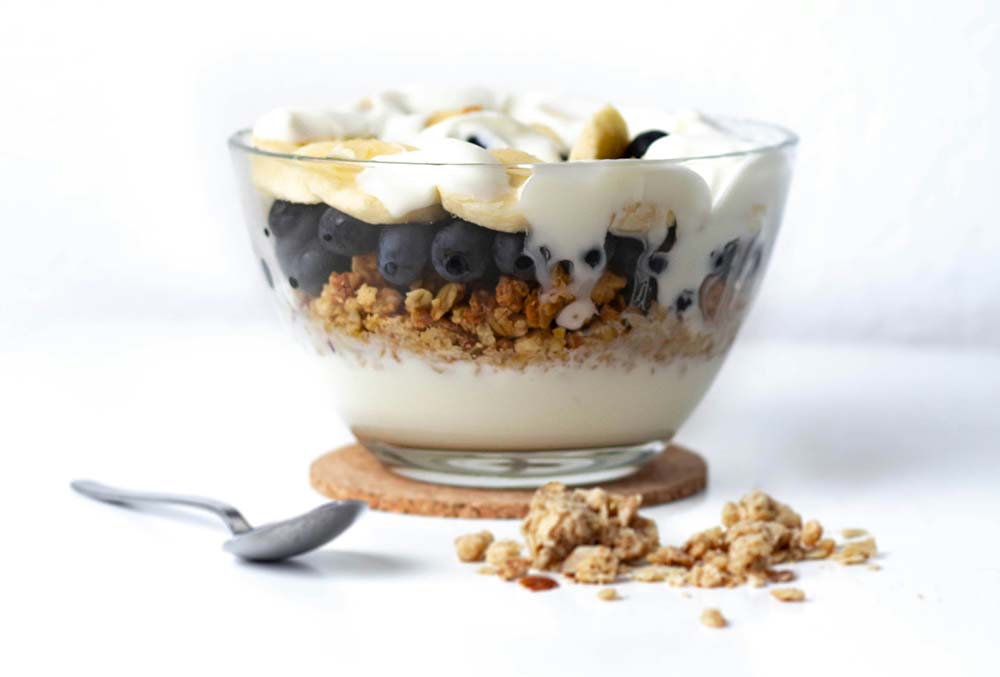
Greek yogurt parfaits are another highly practical alternative, especially for busy mornings when there is little time to cook. Plain Greek yogurt contains significantly more protein than regular yogurt because much of the liquid whey is removed during processing. This creates a thicker texture and a much higher protein concentration, helping maintain fullness and stable energy levels throughout the morning.
Rather than relying on sugary commercial granolas, a healthier parfait can be built using nuts, chia seeds, hemp hearts, and fresh berries. Hemp hearts provide complete plant protein alongside healthy fatty acids, while berries such as raspberries and blackberries contribute antioxidants and polyphenols that help protect cells from oxidative stress. Together, these ingredients create a breakfast that feels both refreshing and substantial.
Beans are another underrated breakfast ingredient that deserve far more attention. In many cultures around the world, legumes are already a standard part of the morning meal. Cannellini beans, for example, can be mashed with olive oil, garlic, lemon juice, salt, and pepper before being spread across toasted whole-grain bread. Finished with pesto, herbs, pine nuts, or a poached egg, the result is a savory breakfast that is both comforting and sophisticated.
Beans are particularly beneficial because they contain resistant starch, a type of fiber that feeds healthy gut bacteria. During digestion, resistant starch ferments in the large intestine and produces short-chain fatty acids like butyrate, which help strengthen the intestinal lining and support immune function. This makes beans especially valuable for long-term digestive health.
For people craving the smoky crispness typically associated with breakfast meats, tempeh provides an excellent substitute. Tempeh is made from fermented whole soybeans pressed into dense blocks that develop a firm texture and nutty flavor. When sliced thinly and marinated with tamari, smoked paprika, maple syrup, and liquid smoke, tempeh develops a savory profile that strongly resembles traditional bacon.
Paired with a sweet potato hash containing onions and peppers, tempeh (LINK 4) creates a breakfast rich in both flavor and nutritional value. Sweet potatoes provide complex carbohydrates that release energy gradually, helping stabilize blood sugar and prevent the mid-morning energy crash that often follows heavily processed breakfasts.
Cottage cheese has also become increasingly popular again, largely because it offers a tremendous amount of slow-digesting casein protein. Unlike quick-burning carbohydrates that leave people hungry shortly after eating, casein protein releases amino acids gradually, helping sustain fullness over longer periods of time.
A savory cottage cheese bowl can be transformed into a Mediterranean-inspired breakfast by adding chopped cucumbers, cherry tomatoes, olives, olive oil, and za’atar seasoning. The result is creamy, salty, refreshing, and deeply flavorful without requiring processed meats or excessive additives.
For those who prefer lighter breakfasts, chia seed pudding offers a simple yet highly effective option that can be prepared in advance. Chia seeds absorb large amounts of liquid, forming a thick pudding-like consistency when soaked overnight in almond milk or oat milk. Mixed with vanilla extract and topped with almond butter and cacao nibs, chia pudding becomes rich in fiber, healthy fats, magnesium, antioxidants, and plant-based nutrients.
Another versatile and highly practical breakfast is a vegetable-packed frittata. Similar to an open-faced omelet, a frittata combines eggs with sautéed vegetables and cheese before finishing in the oven. Mushrooms, asparagus, leeks, spinach, and herbs all work beautifully in this dish, while goat cheese adds creaminess and tangy flavor.
Mushrooms are especially valuable because they provide a naturally savory texture while also serving as one of the few dietary sources of Vitamin D. Goat cheese can also be easier for some individuals to digest compared to cow’s milk cheese because of differences in its fat structure and protein composition.
One reason many people struggle to reduce processed meats is that they miss the smoky, salty flavors those foods provide. Fortunately, those same flavor profiles can be recreated using healthier whole-food ingredients and seasonings. Smoked paprika delivers deep smoky flavor without exposing the body to the harmful compounds associated with processed meats. Liquid smoke can add a barbecue-like aroma to tofu, beans, or vegetables with only a tiny amount. Dulse flakes, a type of seaweed, offer naturally salty and savory notes while supplying minerals like iodine. Toasted sesame oil contributes warmth, richness, and nutty depth that make savory breakfasts feel more satisfying and complete.
Shifting away from cured breakfast meat is not about deprivation or restriction. In reality, it opens the door to a much wider range of flavors, textures, and nutrients that support long-term wellness. By centering breakfast around vegetables, legumes, healthy fats, quality proteins, and complex carbohydrates, it becomes possible to create meals that nourish the body while still feeling deeply enjoyable and comforting. Over time, these choices can support better heart health, steadier energy levels, improved digestion, and a more balanced relationship with food overall.
Comprehensive Cancer Centers Can Help
Physicians at Comprehensive Cancer Centers provide a variety of treatment options for patients right here in Southern Nevada. To schedule an appointment, please call 702-952-3350.
The content in this post is not intended to be a substitute for professional medical advice, diagnosis or treatment. Always seek the advice of qualified health providers with questions you may have regarding medical conditions.