
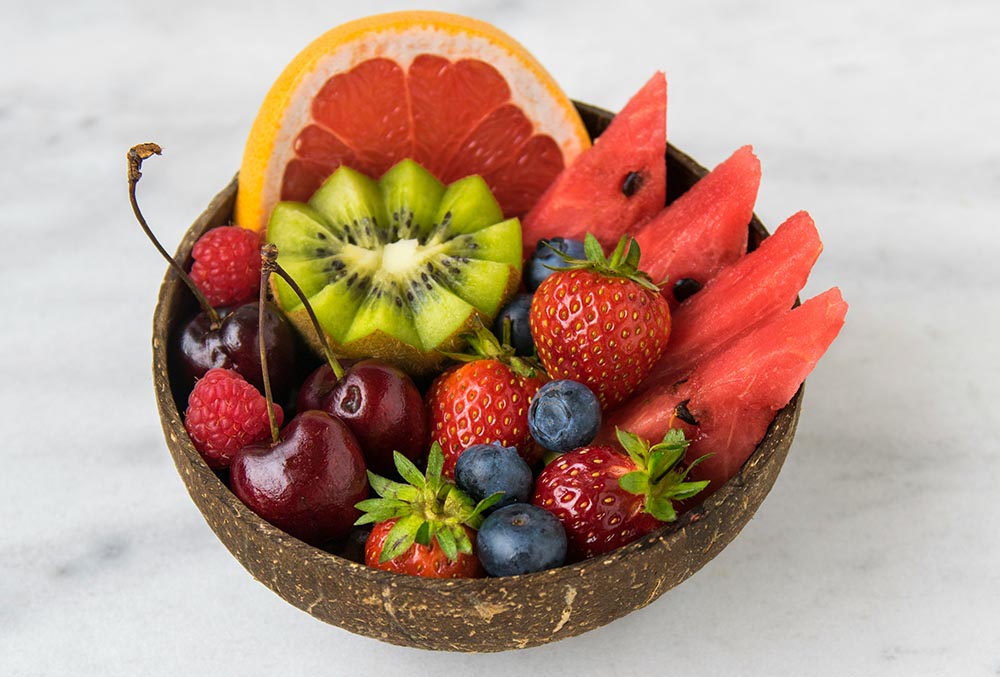
Discover how to enjoy healthy fruits without overloading on sugar. Learn tips from Comprehensive Cancer Centers to balance nutrition and sweetness naturally.
Fruits offer a delightful sweetness, along with an impressive array of health benefits that are recognized by the team at Comprehensive Cancer Centers. Many people wonder how to enjoy healthy fruits; though, without consuming too much sugar which can cause health issues including increased cancer risks. The good news is that sugar in whole fruits is fundamentally different from the added sugars found in processed foods. By understanding this distinction, and adopting smart dietary strategies, you can harness the power of fruits for optimal health.
The Unquestionable Goodness of Whole Fruits
Before delving into sugar minimization, it’s crucial to acknowledge why fruits are so beneficial:
- Nutrient Powerhouses: Healthy fruits are brimming with essential vitamins like Vitamin C, Vitamin A, and folate, minerals like potassium, and a vast spectrum of antioxidants. These compounds play critical roles in immune function, cell protection, energy production, and overall bodily processes.
- Fiber Champions: Perhaps the most significant difference between fruit sugar vsadded sugar is fiber. Whole fruits are rich in dietary fiber, both soluble and insoluble. Fiber is indigestible and provides numerous benefits. Fiber acts as a natural buffer, slowing down the digestion and absorption of fruit sugars into the bloodstream. This prevents rapid spikes in blood glucose and insulin, leading to a more sustained energy release.
- Satiety and Weight Management: Healthy fruit adds bulk to your diet, helping you feel fuller for longer. This can reduce overall calorie intake and support healthy weight management.
- Digestive Health: Fruits promote regular bowel movements and feed beneficial gut bacteria, contributing to a healthy microbiome.
- Hydration: Many fruits have high water content, contributing to your daily hydration needs, which is critical in a usually hot, but always dry climate, like Las Vegas.
- Natural Sweetness and Flavor: Fruits offer a natural, satisfying sweetness that can help curb cravings for less healthy, processed sugary treats. They also provide diverse flavors and textures, making healthy eating enjoyable, and a better alternative than sugars found in processed foods.
Understanding Fruit Sugar (Fructose) vs. Added Sugar
The primary sugar in fruit is fructose. While fructose, in isolation and in large quantities (like in high-fructose corn syrup), can be problematic, the fructose within whole fruit is a different story. The key distinction is that fruit sugar is naturally occurring within a package of fiber, water, vitamins, and minerals. Added sugars (like sucrose, high-fructose corn syrup, glucose syrup) are refined, concentrated, and stripped of beneficial nutrients, often found in processed foods, sugary drinks, and desserts.
When you eat a whole apple, the fiber in fruit creates a physical barrier that slows down the release of fructose into your system. Your liver processes this fructose gradually. When you drink apple juice, however, the fiber is removed, and you consume a concentrated dose of fructose that hits your liver much faster, potentially leading to a more significant metabolic impact if consumed in large amounts regularly.
It’s much harder to overeat whole fruit due to its fiber and water content. You’d struggle to eat five apples in one sitting, but you could easily drink a glass of juice made from five apples, missing out on the fiber and consuming a higher, far more concentrated dose of sugar.
Why Minimizing Added Sugar is Crucial
While fruit sugar in moderation is generally healthy, minimizing added sugar is vital for several reasons:
- Empty Calories: Added sugars provide calories without significant nutritional value.
- Blood Sugar Rollercoaster: They cause rapid spikes and crashes in blood sugar, leading to energy dips, irritability, and increased cravings.
- Increased Risk of Chronic Diseases: High intake of added sugars is linked to an increased risk of obesity, type 2 diabetes, heart disease, non-alcoholic fatty liver disease, and even certain cancers.
- Inflammation: Excessive added sugar consumption can contribute to chronic inflammation in the body.
Strategies for Adding Fruit While Minimizing Overall Sugar Intake
Now that we understand the nuances of sugar sources, here are practical strategies to enjoy fruits healthily and manage your sugar intake:
- Prioritize Lower-Sugar Fruits: While all whole fruits are good, some have naturally lower sugar content. Strawberries, blueberries, raspberries, and blackberries are excellent choices. They are high in fiber and antioxidants and relatively low in sugar.
- Avocado: Though often considered a vegetable, it’s botanically a fruit and is very low in sugar and high in healthy fats and fiber.
- Tomatoes: Another botanical fruit, very low in sugar and versatile.
- Lemons and Limes: Extremely low in sugar, perfect for flavoring water or dishes.
- Rhubarb: Very tart, low in sugar, often used in desserts.
- Melons: Cantaloupe, honeydew, and watermelon are hydrating and have moderate sugar content.
- Stone Fruits (in moderation): Peaches, plums, nectarines have moderate sugar.
Reducing Fruit Sugars Through Portion Control and Pairings
Even healthy foods should be consumed in moderation. A serving of fruit is generally one medium-sized fruit (like an apple or orange) or about a cup of berries. Aim for 2-4 servings of whole fruit per day, adjusting based on your activity level and dietary needs. A great way to manage blood sugar is found in pairing fruit with protein and healthy fats. This pairing slows down digestion and absorption of sugars, leading to greater satiety and stable energy levels. Examples of this in action include having apple slices with a tablespoon of nut butter, berries mixed into Greek yogurt, a handful of nuts with an orange, fruit added to a cheese plate, and avocado slices with eggs.
Eat Whole Fruit Over Juice or Most Smoothies
Avoid fruit juice as much as possible. As noted, these juices remove all the beneficial fiber, leaving you with concentrated fruit sugar that behaves much like a sugary drink, such as a canned soda, in your body. To make smoothies healthier:
- Include plenty of leafy greens (spinach, kale).
- Add a source of protein (protein powder, Greek yogurt, nut butter).
- Add healthy fats (chia seeds, flax seeds, avocado).
- Use water or unsweetened plant milk as the liquid base.
- Limit high-sugar fruits and focus on berries.
Timing Fruit Consumption and Accounting for Packaging
Eating fruit as part of a balanced meal (with protein, fat, and other fiber) helps to mitigate blood sugar spikes. A piece of fruit can provide quick, natural energy for a workout. Fruit can be a satisfying, naturally sweet alternative to processed desserts.
Often, what we perceive as hunger or a craving for something sweet is actually thirst. Drinking plenty of water throughout the day can help reduce unnecessary snacking and cravings for sugary items, including excessive fruit.
Dried fruit is concentrated fruit. While it retains some fiber and nutrients, the water is removed, meaning the sugars are much more concentrated by weight. A small handful of raisins contains significantly more sugar than the same volume of fresh grapes. Consume dried fruit in very small portions, ideally paired with nuts or seeds to balance the sugar.
Many products marketed as fruit-flavored (yogurts, cereals, snack bars, pastries) contain very little actual fruit and are loaded with added sugars, artificial flavors, and unhealthy additives. Always read nutrition labels carefully and look for whole fruit as a primary ingredient, not just fruit juice concentrate or added sugars.
Different fruits offer different nutritional profiles. By eating a wide variety of colors and types of fruit, you ensure a broad spectrum of vitamins, minerals, and antioxidants. Don’t stick to just one or two favorites.
Everyone’s metabolism is slightly different. Pay attention to how you feel after eating certain fruits or quantities. If you notice energy crashes or cravings, you might be consuming too much, or you might need to adjust your pairings. Individuals with specific health conditions (like diabetes) may need to monitor their fruit intake more closely and consult with a healthcare professional or registered dietitian.
Incorporating fruits into your diet is a cornerstone of healthy eating. By understanding the unique benefits of whole fruits, particularly their fiber content, and distinguishing between natural fruit sugars and harmful added sugars, you can enjoy their deliciousness without concern. Focus on whole, unprocessed fruits, practice portion control, pair them wisely, and prioritize variety. By adopting these mindful strategies, you’ll successfully leverage fruits to enhance your health, boost your nutrient intake, and naturally reduce your reliance on less healthy, sugary alternatives.
For more information on nutrition and how to improve your diet, while still enjoying your food, be sure to check out Comprehensive’s cooking and recipes blog.
Comprehensive Cancer Centers Can Help
The medical team at Comprehensive Cancer Centers provides expert advice on improving diet to promote healthy living. Comprehensive Cancer Centers provide a variety of treatment options for cancer including chemotherapy, radiation therapy and clinical research. To schedule an appointment, please call 702-952-3350.
The content in this post is not intended to be a substitute for professional medical advice, diagnosis or treatment. Always seek the advice of qualified health providers with questions you may have regarding medical conditions.