
Lung Cancer Screening
Comprehensive Cancer Centers understands that lung cancer is the leading cause of all cancer deaths in the United States. It is estimated that more than 228,000 new cases will be diagnosed and approximately 135,000 people will die from lung cancer this year, although it is rare in people under the age of 45. Despite the high mortality rate, studies show that early detection can increase a patient’s chances of survival.
Comprehensive is a strong proponent for screening and testing, as finding a disease early is an important factor in successful treatment outcomes for lung cancer and other diseases. One early detection program the practice offers is lung cancer screenings.
How Can Lung Cancer Be Detected Sooner?
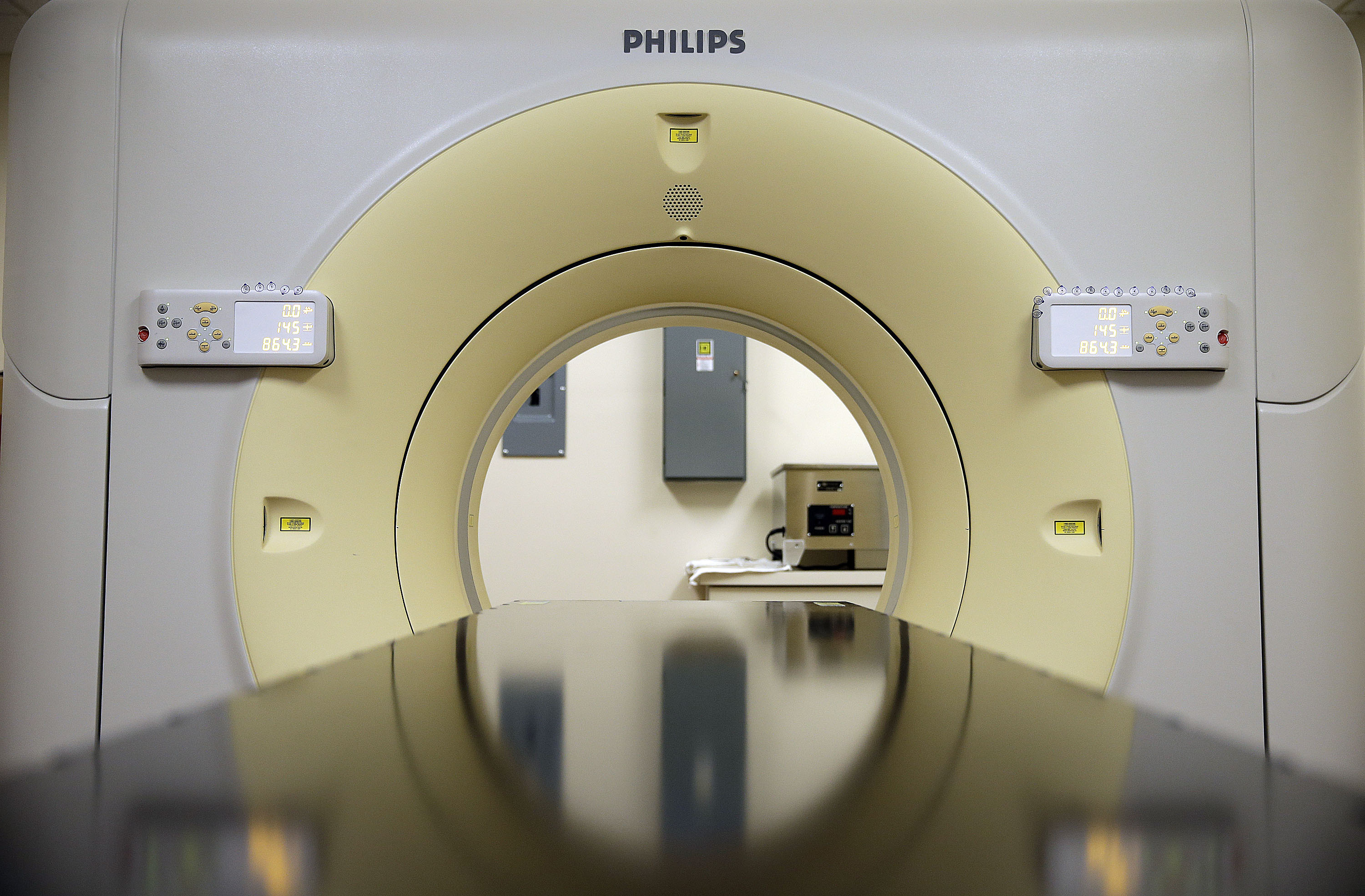
Until recently, regular chest x-rays were used for lung cancer screening, but they did not have a significant impact on survival rates. However, a new testing option called a low-dose CT scan (LDCT), can help find abnormal areas in the lungs that may be cancer. Research has shown that using LDCT scans to screen people at higher risk of lung cancer saved more lives compared to chest x-rays. For higher risk people, getting yearly LDCT scans before symptoms start may help lower their risk of diagnosing lung cancer at a late stage.
Who Should Get Lung Cancer Screenings?
Lung cancer is more likely to be successfully treated when found at an earlier stage, when it is small and before it has spread to other areas. Typically, the symptoms of lung cancer do not appear until the disease has progressed to an advanced stage, therefore, screening is meant to detect cancer in those who are asymptomatic.
Comprehensive Cancer Centers follows the recommendations of the American Cancer Society (ACS) and recommends lung cancer screening for people who are at higher risk. Elevated risk groups include former smokers between the ages of 55-74. This group should get yearly lung cancer screening with LDCT scans.
To get the most benefit from screening, patients need to be in fairly good health. Those with serious medical conditions are not good candidates for early screening Patients with metal implants in their chest or back should also not be screened with CT scans for lung cancer. It is also important to note that lung cancer screenings are covered by Medicare as well as many private health insurance plans, allowing for better access to scans.
Abnormal Results from Lung Cancer Screenings
If early screening shows an abnormal finding, more testing will be needed to confirm a diagnosis. However, not all abnormal results are cancer. CT scans of the lungs can also help diagnose other problems in the lungs. Your physician will help you properly navigate these test results.
The National Lung Screening Trial
The National Lung Screening Trial (NLST) was a large clinical trial that looked at using LDCT of the chest to screen for lung cancer and was seen by many people who had questions about the trial and its results. The study included more than 50,000 people ages 55 to 74 who were current or former smokers and were in fairly good health.
The study did not include people who had a history of lung cancer or lung cancer symptoms or those with other serious medical problems. After several years, the study found that people who got LDCT had a 20 percent lower chance of dying from lung cancer than those who got chest x-rays. They were also 7 percent less likely to die overall (from any cause) than those who got chest x-rays.
Comprehensive Cancer Centers Can Help
Physicians at Comprehensive Cancer Centers of Nevada provide a variety of lung cancer treatment options for cancer including: chemotherapy, radiation therapy and clinical research. To schedule an appointment with the team at Comprehensive, please call 702-952-3350.
The content is this post is not intended to be a substitute for professional medical advice, diagnosis, or treatment. Always seek the advice of qualified health providers with questions you may have regarding medical conditions.